

What is Craniosacral Therapy?
Craniosacral Therapy (CST) is based on the findings of osteopathic physicians Dr. William Sutherland and Dr. John Upledger. Dr. Sutherland proposed that the skull plates remain flexible throughout adulthood. Dr Upledger observed the rhythmic movement of the membrane that encompasses the spinal cord (the dura mater) and recognised its fundamental importance for the proper functioning of the body.
Craniosacral Therapy (CST)
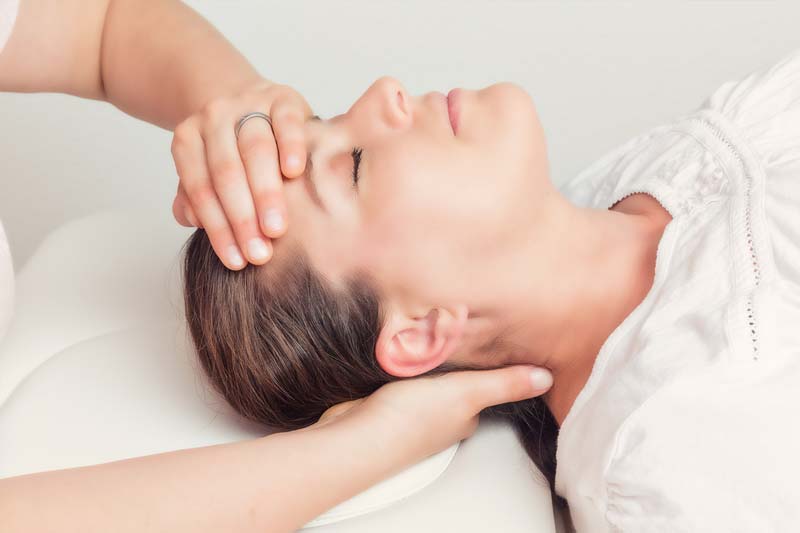
Focusing on the central nervous system with the treatment of Craniosacral Therapy (CST) is a proven practice for treating fatigue and a range of other chronic and acute aliments. For most people that seek CST treatment with us, have not had any success with other approaches thus far. Generally, CST is performed in a quiet environment, where by our practitioners will use light touch and delicate manual techniques to adjust the bones of the sacrum (base of spine) and cranial bones (head) to gently manipulate the cerebral spinal fluid (CSF) flow. The CSF is linked to the lymphatic system, one of the two systems, the other being the circulatory system that comprises the immune system. These gentle manipulations help to create optimal balance of the fluid around the brain and spinal cord.
You can book appointments for Craniosacral Therapy in Hong Kong by phone or via WhatsApp. If you are a registered user you can also book through our Mindbody online booking system.
CALL US TODAY: 2167-7305
Practitioners:
See What Our Clients Are Saying
Paediatric Craniosacral Therapy
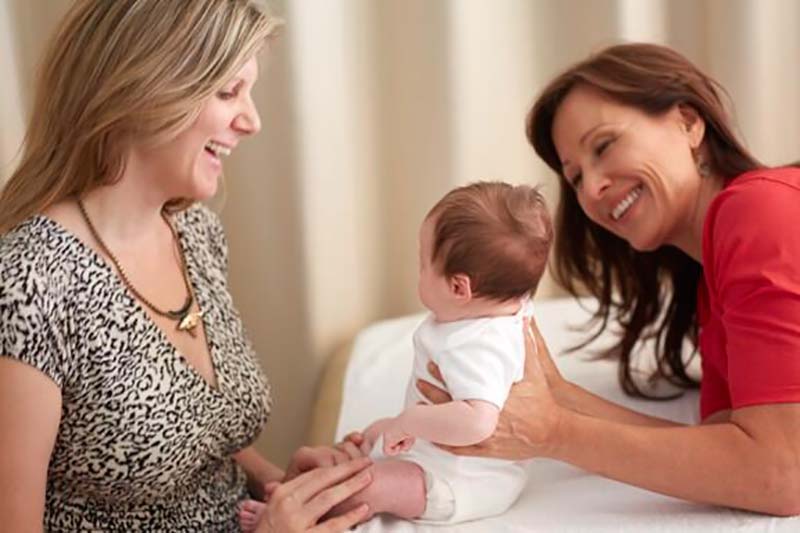
This is a very delicate and accurate scientific process, where Caroline Rhodes uses a very gentle touch to shape the baby’s head. Often, the bones in a newborn baby’s skull aren’t shaped correctly. Using CST, she is able to correct the position of the skull plates. With over 30 years of experience and several glowing recommendations, Caroline Rhodes is the go-to practitioner for craniosacral therapy in Hong Kong.
Craniosacral Therapy for Adults
In our opinion, the skull plates are flexible for the entirety of one’s existence. Hence, they can be manipulated to relieve tension throughout the body. We treat acute and chronic conditions to help patients get relief over a few sessions.
Craniosacral Therapy in Hong Kong at The Body Group
The Craniosacral treatment practitioners at The Body Group are Caroline Rhodes and Kate Tong. We provide excellent treatment with positive results in the past. If you are unsure of how CST can help you, please contact us and we will guide you in choosing the correct treatment for your or your baby’s condition.
We aim to help our patients and relieve you of any pain at the earliest. The number of sessions required to help a patient combat a condition will depend on his/ her response to the treatment and the severity of the condition.
- Is Craniosacral Therapy just for infants?
- What is Craniosacral Therapy?
- What conditions can CST help?
- How is CST performed?
Is Craniosacral Therapy just for infants?
No. In fact, this is a common misconception. My speciality in CST is paediatrics. However, many of The Body Group clients who do come in for treatment are adults.
What is Craniosacral Therapy?
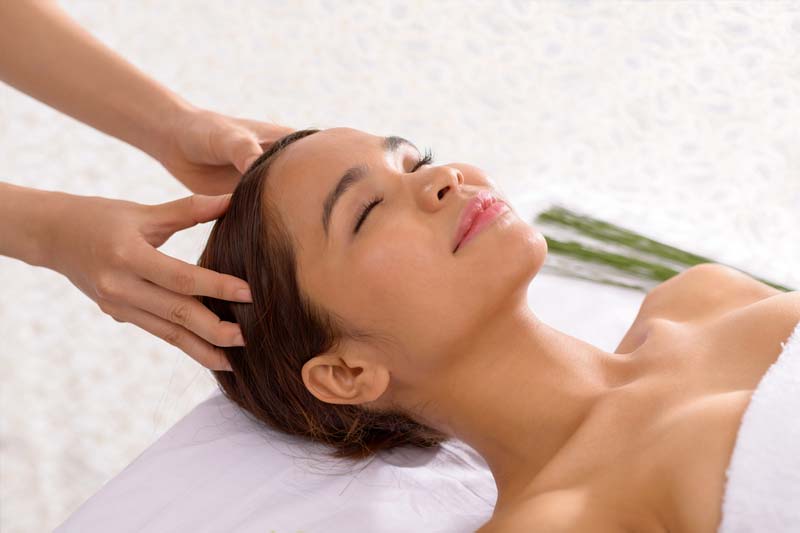
CST is a light-touch manual therapy concerned with the craniosacral system, the membranes and fluid that surround and protect the brain and spinal cord. Like the pulse of the cardiovascular system, the craniosacral system has a rhythm that can be felt throughout the body. Using a light touch, skilled practitioners can monitor the rhythm and identify the source of improper tensions and compressions of the membranes and obstructions to the flow of the fluid. By gentle manipulation of the cranium (the bones of the skull, face and mouth) and the sacrum (the triangular bone at the base of the spine), a practitioner can make subtle physical adjustments. This process releases improper tensions and compressions of the membranes and obstructions to the flow of the fluid thus allowing the craniosacral system to operate correctly in supporting the body’s optimal health.
What conditions can CST help?
Because of its influence on the functioning of the central nervous system, CST can bolster overall health and resistance and is also proven to be effective in the treatment of a range of chronic and acute ailments. These include migraine headaches, chronic neck and back pain, chronic fatigue, and stress and tension-related problems. Among CST’s largest patient groups are those suffering chronic symptoms that have not been helped by other approaches. In particular, CST is beneficial to those with head, neck or back injuries resulting from a fall or car, sports or work accidents.
For children and infants, CST can help with colic, reflux, poor sucking or not latching on when breastfeeding, irritability, motor delay (late in rolling/crawling), torticollis (head turned in one direction), scoliosis (curvature of the spine) and plagiocephaly (asymmetrical head shape).
How is CST performed?
CST usually takes place in a quiet, private setting, and is performed on a person fully clothed. Using a light touch, the practitioner uses delicate manual techniques to release problem areas and relieve undue pressure on the brain and spinal cord. A typical CST session lasts between 15 minutes and one hour.
